
What Is Commercial Kitchen Equipment and Why Does the Right Choice Matter?
Commercial kitchen equipment refers to professional-grade appliances and tools designed for frequent, high-volume food preparation in restaurants, hotels, cafés, and other food businesses. Unlike domestic kitchen appliances, commercial equipment is built to handle heavier workloads, larger quantities, and continuous kitchen operations. Choosing the right equipment helps improve cooking efficiency, maintain food quality, and control operating costs.
Commercial Kitchen Equipment vs Domestic Kitchen Appliances
Domestic appliances are designed for everyday household cooking, while commercial equipment is made for demanding professional kitchens. Commercial models generally offer higher capacity, more durable construction, and features suited to frequent use.
The right equipment can improve kitchen performance in several ways:
Suitable cooking and preparation equipment helps kitchen staff handle multiple orders efficiently during peak lunch and dinner hours.
Reliable temperature control and cooking performance help maintain identical taste and texture across every plate served.
Easy-to-clean food-grade SS304 surfaces and food-safe materials prevent cross-contamination and support strict kitchen sanitation.
Durable, appropriately sized equipment reduces emergency repair calls, energy waste, food spoilage, and frequent replacements.
Selecting equipment based on actual kitchen requirements helps restaurants maintain smooth operations without overspending on unnecessary capacity or features.
What Factors Should You Check Before Buying Commercial Kitchen Equipment?
Before buying commercial kitchen equipment in India, evaluate how well each machine fits your kitchen's daily operations. The right choice should support your menu, handle busy service hours, fit the available space, and remain affordable to operate and maintain.
Use this checklist to compare equipment before making a purchase:
Menu & Kitchen Needs
Identify the dishes you prepare and the equipment required for each cooking process.
Helps avoid buying unnecessary machines or missing essential equipment.
Capacity & Peak-Hour Output
Check how many portions or batches the equipment can produce during your busiest hours.
Prevents delays and reduces the risk of overloading equipment.
Space & Physical Fit
Measure doorways, lifts, ceiling height, installation space, and required ventilation clearances.
Ensures equipment can be delivered, installed, operated, and serviced safely.
Material & Build Quality
Compare SS304 and SS202 stainless steel, sheet thickness, welding quality, and surface finishing.
Helps assess durability, corrosion resistance, and suitability for the intended use.
Power, Gas & Water Requirements
Confirm single-phase or three-phase electricity, voltage, gas type, water supply, and drainage needs.
Prevents installation problems and ensures compatibility with available utilities.
Operating Costs
Estimate electricity, gas, water, labour, servicing, and replacement-part expenses.
Helps calculate the equipment's long-term ownership cost beyond its purchase price.
Cleaning & Maintenance
Look for accessible components, smooth surfaces, removable parts, and simple cleaning procedures.
Reduces daily cleaning effort and supports food hygiene.
Warranty & After-Sales Support
Confirm warranty coverage, installation assistance, service availability, and spare-part support.
Helps reduce downtime when repairs or technical assistance are needed.
Supplier Credibility
Check GST invoices, verified customer reviews, business registration details, and showroom or service addresses.
Helps assess supplier reliability and provides documentation for future support.
| Buying Factor | What to Check | Why It Matters |
|---|---|---|
| Menu & Kitchen Needs | Identify the dishes you prepare and the equipment required for each cooking process. | Helps avoid buying unnecessary machines or missing essential equipment. |
| Capacity & Peak-Hour Output | Check how many portions or batches the equipment can produce during your busiest hours. | Prevents delays and reduces the risk of overloading equipment. |
| Space & Physical Fit | Measure doorways, lifts, ceiling height, installation space, and required ventilation clearances. | Ensures equipment can be delivered, installed, operated, and serviced safely. |
| Material & Build Quality | Compare SS304 and SS202 stainless steel, sheet thickness, welding quality, and surface finishing. | Helps assess durability, corrosion resistance, and suitability for the intended use. |
| Power, Gas & Water Requirements | Confirm single-phase or three-phase electricity, voltage, gas type, water supply, and drainage needs. | Prevents installation problems and ensures compatibility with available utilities. |
| Operating Costs | Estimate electricity, gas, water, labour, servicing, and replacement-part expenses. | Helps calculate the equipment's long-term ownership cost beyond its purchase price. |
| Cleaning & Maintenance | Look for accessible components, smooth surfaces, removable parts, and simple cleaning procedures. | Reduces daily cleaning effort and supports food hygiene. |
| Warranty & After-Sales Support | Confirm warranty coverage, installation assistance, service availability, and spare-part support. | Helps reduce downtime when repairs or technical assistance are needed. |
| Supplier Credibility | Check GST invoices, verified customer reviews, business registration details, and showroom or service addresses. | Helps assess supplier reliability and provides documentation for future support. |
Why Total Ownership Cost Matters
- Purchase price is just the tip: The lowest purchase price does not always mean the best value. Equipment that consumes more energy, requires frequent repairs, or takes longer to clean may cost more over time.
- Compare lifetime operational metrics: Compare the initial price with expected operating expenses, maintenance requirements, and useful service life. This gives you a clearer picture of the equipment's long-term value.
- Demand written specifications: Before placing an order, request the technical specifications, installation requirements, and warranty terms in writing. This helps you make an informed buying decision and avoid unexpected costs.
Commercial Kitchen Equipment List by Kitchen Zone
A commercial kitchen requires different types of equipment for food preparation, cooking, refrigeration, storage, serving, and cleaning. Organizing commercial kitchen equipment by workflow helps improve operational efficiency, maximize available space, and maintain food safety. The following equipment categories cover the essential requirements for restaurants, hotels, cafés, bakeries, cloud kitchens, and catering businesses.
Cooking Equipment (ranges, tandoors, fryers, griddles, combi ovens, bain-marie)
Explore Cooking LineCommercial cooking equipment is essential for preparing food efficiently and consistently. The right equipment depends on the restaurant's menu, cooking methods, and daily production requirements.
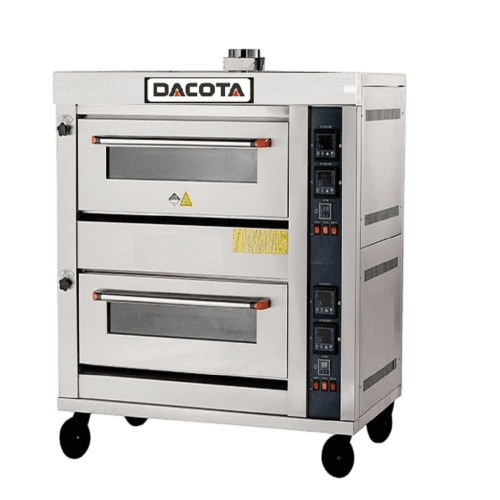
Common cooking equipment includes:
- Commercial Cooking Ranges: Boiling, frying, sautéing, and multi-dish prep.
- Tandoor Ovens: For naan, roti, kebabs, and authentic tandoor dishes.
- Deep Fryers: Fast, even frying for snacks, chicken, and fries.
- Griddles: Dosa, burgers, sandwiches, and grilled meats.
- Combi Ovens: Steam + convection for roasting, baking, and steaming.
- Bain-Marie Units: Maintain cooked food at safe hot-holding temperatures.
Choosing equipment with the right capacity and energy efficiency helps kitchens manage peak-hour demand and maintain consistent food quality.
Refrigeration & Cold Storage
Explore Cold StorageCommercial refrigeration equipment helps preserve ingredient freshness, maintain safe storage temperatures, and reduce food spoilage. Proper cold storage is critical for restaurants handling perishable ingredients.
Essential refrigeration equipment includes:
- Reach-in Refrigerators: Convenient storage for frequently used ingredients.
- Walk-in Cold Rooms: High-capacity bulk storage for large commercial setups.
- Undercounter Refrigerators: Save valuable floor space with fast under-table reach.
- Deep Freezers: For storing frozen meat, seafood, ice creams, and bulk vegetables.
- Refrigerated Prep Tables: Combine chilled GN pan ingredient storage with cutting tops.
Food Preparation Equipment
Explore Prep MachinesCommercial food preparation equipment helps kitchen staff complete cutting, mixing, kneading, and ingredient preparation tasks efficiently. These machines reduce manual work and improve consistency during food production.
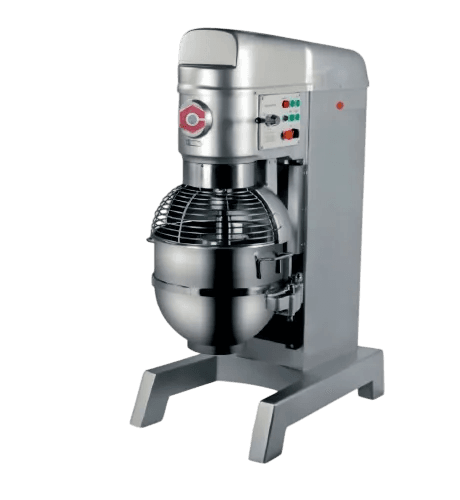
Common food preparation equipment includes:
- Stainless Steel Preparation Tables: Hygienic, food-safe SS304 prep tops.
- Commercial Mixers: Planetary mixers for dough, batter, cream, and purees.
- Vegetable Cutters: High-speed disc slicers, dicers, and shredders.
- Dough Kneaders: Spiral kneaders for bakeries, parotta, and pizza dough.
- Food Processors: Heavy-duty blending, chopping, and emulsion processing.
Storage Racks, Shelving & Trolleys
Explore SS FabricationProper kitchen storage equipment helps organize ingredients, utensils, and supplies while keeping work areas clean and accessible. Durable stainless steel storage solutions are preferred because they resist rust and are simple to sanitize.
- Stainless Steel Storage Racks: 3 to 5 tier slatted or solid storage.
- Wall-Mounted Shelves: Maximize vertical wall clearance above workbenches.
- Heavy-Duty Shelving Units: Built for 200kg+ dry bulk ingredient sacks.
- Stainless Steel Trolleys: Multipurpose GN pan, service, and clearing trolleys.
- Ingredient Storage Bins: Mobile bins with airtight lids for flour and sugar.
Serving & Display Counters
Serving and display counters bridge kitchen production with customer service, keeping hot items hot, cold desserts chilled, and dishes presentable.
- Bain-Marie Hot Counters: Wet or dry well heating for buffet and canteen lines.
- Refrigerated Display Cases: Curved glass counters for cakes, pastries, and salads.
- Heated Display Warmers: For fried chicken, patties, and fast-food turnover.
- Pass-Through Pick-Up Stations: Heat-lamp equipped counters for plating handover.
Dishwashing & Sanitation Equipment
Commercial dishwashing and sanitation equipment helps maintain kitchen hygiene and supports efficient cleaning during daily operations. A properly organized washing area reduces cross-contamination risks and supports food safety practices.
- Commercial Dishwashers: Under-counter and hood-type washers cleaning 30–60 racks/hour.
- Stainless Steel Pot Washing Sinks: Deep double or triple compartment sink units.
- Pre-Rinse Spray Units: High-pressure overhead sprays to blast away tough debris.
- Dish Drying Racks & Tables: Inflow and outflow SS roller tables for clean trays.
- Handwashing Stations: Foot-operated or sensor knee-push hygienic taps.
- Waste Collection Bins: SS mobile garbage bins with pedal-operated lids.
Ventilation & Safety Equipment
Commercial kitchen ventilation and safety equipment helps manage heat, smoke, grease, and cooking fumes while maintaining a safer working environment.
- Commercial Exhaust Hoods: Stainless steel island or box hoods with baffle grease filters.
- Exhaust & Fresh Air Blowers: High-CFM centrifugal fans removing smoke and balancing air pressure.
- Ventilation Ducts: Galvanized iron or SS leak-proof grease ducting.
- Fire Suppression Systems: Wet chemical automatic hood suppression for deep fryers and ranges.
- Gas-Leak Detectors: Automatic sensor shutoff valves for commercial LPG pipelines.
- Fire Extinguishers: Class K (wet chemical) and Class ABC fire extinguishers on wall mounts.
Smallwares & Essential Utensils
Smallwares and kitchen utensils support everyday cooking, food preparation, portioning, and serving tasks. Although smaller than commercial kitchen machines, they are equally important for smooth kitchen operations.
Essential smallwares include: Commercial Pots and Pans, Chef Knives and Colour-Coded Cutting Boards, Mixing Bowls, Measuring Cups and Spoons, Food Storage Containers (GN pans & airtight tubs), Ladles, Spatulas, and Tongs, Digital Weighing Scales for portion control, and Instant-Read Food Thermometers.
Restaurant Kitchen Equipment Checklist by Business Type
The commercial kitchen equipment required for a food business depends on its menu, service style, kitchen size, and daily production capacity. A café, cloud kitchen, fast-food outlet, and large hotel kitchen have different equipment requirements. Choosing equipment based on the business type helps reduce unnecessary investment, improve kitchen workflow, and maintain consistent food quality.
1. Multi-Cuisine Restaurant
A multi-cuisine restaurant requires versatile commercial kitchen equipment to prepare different types of dishes, including Indian, Chinese, Continental, and Arabian cuisine. The kitchen should support multiple cooking methods while maintaining efficient food preparation and service.
Essential Equipment Checklist:
- • Commercial Gas Ranges (curries, sauces, boil)
- • Chinese Cooking Ranges (high-heat wok burners)
- • Commercial Deep Fryers (snacks, fries, chicken)
- • Griddles and Hot Plates (grilling & searing)
- • Commercial Tandoor Ovens (naan, roti, tikkas)
- • Commercial Refrigerators & Freezers
- • Stainless Steel Preparation Tables
- • Exhaust Hoods & Ventilation Systems
2. Café & Bakery
View Bakery MachineryCafés and bakeries require specialized equipment for baking, beverage preparation, food storage, and product display. Equipment selection depends on whether the business focuses on coffee, desserts, bread, pastries, or light meals.
Essential Equipment Checklist:
- • Commercial Baking Ovens (Deck & Convection)
- • Planetary Mixers (10L–40L for cake batters & cream)
- • Spiral Dough Kneaders (bread & buns)
- • Dough Proofers (temperature & humidity control)
- • Commercial Espresso Machines & Grinders
- • Reach-in Refrigerators & Deep Freezers
- • Refrigerated Glass Display Counters
- • SS Work Tables with Granite / Poly Prep Tops
3. Cloud Kitchen
A cloud kitchen operates primarily through online orders and delivery services, making efficient food preparation, packaging, and order handling essential. Unlike dine-in restaurants, cloud kitchens generally require less customer-facing equipment.
Essential Equipment Checklist:
- • Compact Heavy-Duty Commercial Cooking Ranges
- • High-Recovery Deep Fryers & Griddles
- • Vertical Commercial Refrigerators (SS Reach-ins)
- • Stainless Steel Preparation & Cutting Tables
- • Commercial Food Processors & Vegetable Dicers
- • Vertical Storage Racks & Dry Inventory Shelves
- • Dedicated Food Packaging & Sealing Stations
- • High-CFM Exhaust Hoods & Fresh Air Intake
4. Fast Food / QSR
Quick Service Restaurants (QSRs) require commercial kitchen equipment designed for speed, consistency, and high-volume food preparation. Equipment should help staff prepare standardized menu items quickly during busy service hours.
Essential Equipment Checklist:
- • Double-Tank Commercial Deep Fryers with Timers
- • Heavy Flat-Top Griddles (Burgers, Shawarma)
- • Contact Panini & Sandwich Grills
- • Commercial Refrigerators & Fast Under-counter Freezers
- • Refrigerated Sandwich / Burger Prep Counters
- • Hot Holding Cabinets & Fry Dump Stations
- • SS Wall Shelves & Condiment Dispensers
- • High-Velocity Exhaust Hoods
5. Hotel, Canteen & Large Commercial Kitchen
Large-scale hospitality kitchens require heavy-duty industrial equipment built to handle continuous cooking cycles for hundreds or thousands of patrons per meal.
Essential Equipment Checklist:
- • Tilting Boiling Pans & Steam Cooking Kettles
- • 10 to 20 Tray GN Combi Ovens (Programmable)
- • Walk-in Chiller & Freezer Cold Rooms
- • Hood-Type or Conveyor Dishwashers
- • Long Bain-Marie Serving Counters & Heated Trolleys
- • Heavy-Duty SS 304 Fabrication Workbenches & Sinks
- • Wet Scrubber Exhaust Ventilation Systems
Commercial Kitchen Equipment Comparison Table
Choosing the right commercial kitchen equipment requires comparing capacity, price, stainless steel quality, power requirements, and suitability for different food businesses. The table below provides an overview of commonly used commercial kitchen equipment in India to help restaurant owners, hotel operators, and food entrepreneurs plan their kitchen investments.
Commercial Kitchen Equipment Price and Specification Comparison (India, 2027)
Commercial Gas Range
₹15,000–₹1,50,000Commercial Deep Fryer
₹12,000–₹1,20,000Commercial Tandoor
₹12,000–₹80,000Combi Oven
₹3,50,000–₹15,00,000Commercial Refrigerator
₹25,000–₹1,80,000Deep Freezer
₹18,000–₹1,00,000Stainless Steel Prep Table
₹8,000–₹40,000Planetary Mixer
₹25,000–₹1,00,000Dough Kneader
₹25,000–₹1,50,000Bain-Marie Counter
₹12,000–₹50,000Stainless Steel Storage Rack
₹7,000–₹20,000Commercial Dishwasher
₹1,00,000–₹4,00,000Commercial Exhaust Hood
₹15,000–₹1,00,000| Equipment Type | Typical Capacity Range | Indicative Price Range | SS Grade | Power Requirement | Best for Business Type |
|---|---|---|---|---|---|
| Commercial Gas Range | 2–6 burners | ₹15,000–₹1,50,000 | SS 202 / 304 | LPG / PNG | Restaurants, hotels, cloud kitchens |
| Commercial Deep Fryer | 6–30 L | ₹12,000–₹1,20,000 | SS 202 / 304 | Gas / Electric | QSR, fast-food outlets |
| Commercial Tandoor | 1–2 cooking chambers | ₹12,000–₹80,000 | SS 202 / 304 body | Gas / Charcoal | Indian restaurants, hotels |
| Combi Oven | 6–20 GN trays | ₹3,50,000–₹15,00,000 | SS 304 | Electric / Gas | Hotels, bakeries, large kitchens |
| Commercial Refrigerator | 300–1,400 L | ₹25,000–₹1,80,000 | SS 202 / 304 | Electric | Restaurants, cafés, hotels |
| Deep Freezer | 200–600 L | ₹18,000–₹1,00,000 | Model-dependent | Electric | Restaurants, cloud kitchens |
| Stainless Steel Prep Table | 4–6 ft length | ₹8,000–₹40,000 | SS 202 / 304 | Not required | All commercial kitchens |
| Planetary Mixer | 10–40 L | ₹25,000–₹1,00,000 | SS 304 food-contact bowl | Electric | Bakeries, cafés |
| Dough Kneader | 10–40 kg/batch | ₹25,000–₹1,50,000 | SS 304 food-contact parts | Electric | Bakeries, hotels |
| Bain-Marie Counter | 3–6 GN pans | ₹12,000–₹50,000 | SS 202 / 304 | Gas / Electric | Hotels, canteens, buffets |
| Stainless Steel Storage Rack | 3–5 shelves | ₹7,000–₹20,000 | SS 202 / 304 | Not required | All commercial kitchens |
| Commercial Dishwasher | 30–60 racks/hour | ₹1,00,000–₹4,00,000 | SS 304 | Electric | Hotels, restaurants, canteens |
| Commercial Exhaust Hood | 6–12 ft length | ₹15,000–₹1,00,000 | SS 202 / 304 | Electric fan (separate) | Restaurants, hotels, QSR |
*Note: Prices are approximate planning estimates for the Indian market, not verified supplier quotations. Actual prices, specifications, stainless steel grades, and power requirements vary by manufacturer and model. GST, delivery, and installation may be additional.
What to Consider When Comparing Commercial Kitchen Equipment
When purchasing commercial kitchen equipment, businesses should evaluate more than the initial price. Important factors include:
- • Capacity: Choose equipment according to daily food production and peak-hour demand.
- • Stainless Steel Grade: SS 304 is generally preferred for corrosion-resistant food-contact surfaces, while SS 202 may be used for suitable non-food-contact applications.
- • Power Requirements: Check electrical load, single-phase or three-phase compatibility, and gas connections before installation.
- • Maintenance: Consider cleaning requirements, spare parts availability, warranty, and after-sales service.
- • Business Suitability: Select equipment based on menu requirements, available kitchen space, and operational workflow.
Comparing commercial kitchen equipment by capacity, material quality, power requirements, and price helps businesses make informed purchasing decisions. For accurate specifications and pricing, request a quotation based on the required equipment model, kitchen layout, and production capacity.
How Much Should You Budget for Commercial Kitchen Equipment in India?
The budget for commercial kitchen equipment in India depends on the type of food business, kitchen size, menu requirements, and daily production capacity. A small café or cloud kitchen may require fewer machines, while a multi-cuisine restaurant or hotel kitchen needs a larger investment in cooking, refrigeration, preparation, and storage equipment.
Essentials-First Budgeting Approach
An essentials-first budgeting approach helps restaurant owners invest in the most important commercial kitchen equipment before purchasing additional machines. This strategy reduces unnecessary startup expenses and ensures the kitchen has the equipment required for daily food preparation and service.
Essential Equipment
Commercial cooking ranges, refrigerators, freezers, SS preparation tables, washing sinks, and ventilation systems necessary for day-1 service.
Operational Equipment
Commercial food processors, planetary mixers, storage racks, and serving counters that boost productivity and streamline workflow.
Expansion Equipment
Specialized automated ovens, combi units, dishwashers, and additional capacity added as customer demand and revenue increase.
Calculating ROI and Payback Period on Equipment
Return on Investment (ROI) helps restaurant owners understand the financial benefits of purchasing commercial kitchen equipment. Equipment that reduces labour time, improves productivity, or lowers operating expenses can provide measurable long-term savings.
Labour Cost Savings Formula
Monthly Labour Savings = Daily Hours Saved × Labour Cost per Hour × Working Days per MonthWorked Example: Commercial Vegetable Cutting Machine
Consider a restaurant purchasing a commercial vegetable cutting machine for ₹60,000.
Step 1: Calculate Monthly Labour Savings: 2 × ₹100 × 26 = ₹5,200 / month
Step 2: Calculate Annual Labour Savings: ₹5,200 × 12 = ₹62,400 / year
Step 3: Calculate Payback Period: Equipment Investment ÷ Monthly Net Savings = ₹60,000 ÷ ₹5,200 = 11.5 months
Step 4: Calculate First-Year ROI: [ (₹62,400 − ₹60,000) ÷ ₹60,000 ] × 100 = 4%
In this simplified example, the commercial vegetable cutting machine recovers its initial investment in approximately 12 months. Actual ROI depends on electricity consumption, maintenance costs, equipment utilization, and whether the time saved translates into reduced labour expenses or additional productive output.
Contingency Budgeting (10–15% for Installation and Unexpected Costs)
Restaurant owners should reserve an additional 10–15% of their commercial kitchen equipment budget for installation and unexpected expenses. This helps manage additional costs that may arise during kitchen setup.
Common additional expenses include:
- • Equipment transportation and delivery charges
- • Installation and commissioning charges
- • Electrical wiring, MCBs, and power upgrades
- • Gas pipeline connections, regulators & safety valves
- • Exhaust ducting and ventilation adjustments
- • Plumbing lines and grease trap drainage modifications
- • Additional on-site stainless steel fabrication work
Example: For an Equipment Budget of ₹5,00,000
• Equipment Budget: ₹5,00,000
• 10% Contingency Reserve: ₹50,000 | 15% Contingency Reserve: ₹75,000
Recommended Total Planning Budget: ₹5,50,000–₹5,75,000
Step-by-Step: How to Set Up Your Restaurant Kitchen Equipment
Setting up a restaurant kitchen requires careful planning, the right commercial kitchen equipment, and a layout that supports efficient food preparation. Following a structured installation process helps restaurant owners avoid unnecessary expenses, improve kitchen workflow, and maintain food safety standards.
Finalize Your Restaurant Menu and Concept
Start by deciding your restaurant type, menu, and expected daily order volume. A multi-cuisine restaurant, café, cloud kitchen, or fast-food outlet will have different equipment requirements. Identify your main cooking methods (frying, grilling, baking, steaming, or refrigeration) to avoid purchasing unnecessary machines.
Measure Your Kitchen Space and Plan the Layout
Measure the available kitchen space, including floor area, ceiling height, entrances, and utility connection points. Divide the kitchen into functional areas for food storage, preparation, cooking, plating, washing, and waste disposal. Arrange equipment to support smooth, non-crisscrossing movement.
Confirm Power, Gas, and Water Requirements
Before purchasing equipment, check whether your kitchen has the necessary electrical, gas, water, and drainage connections. Verify voltage, power load, and phase requirements (single-phase vs 3-phase). Qualified technicians should verify utility compatibility before installation.
Finalize Your Commercial Kitchen Equipment List
Prepare a detailed equipment checklist based on your menu, kitchen capacity, and available space. Include specifications such as equipment dimensions, production capacity, stainless steel grade, energy requirements, and cleaning needs.
Plan Kitchen Ventilation and Safety Systems
Commercial kitchens generate heat, smoke, grease, and steam during cooking. Plan suitable exhaust hoods, ducting, fresh-air supply, and ventilation systems according to the cooking equipment installed. Include appropriate fire protection systems, emergency shutoffs, and non-slip flooring.
Compare Commercial Kitchen Equipment Suppliers
Compare suppliers based on equipment specifications, material quality, warranty coverage, installation assistance, and after-sales support rather than price alone. Check whether the supplier offers equipment customization, spare parts, servicing, and technical assistance.
Obtain FSSAI Registration or Licence and Local Approvals
Before starting restaurant operations in India, obtain the applicable FSSAI registration or licence based on your business eligibility. Check additional requirements such as local trade licences, fire safety approvals, building permissions, and other applicable regulatory clearances.
Install and Test Commercial Kitchen Equipment
Install equipment according to manufacturer instructions, approved kitchen layouts, and applicable safety requirements. Ensure cooking ranges, refrigeration systems, ovens, and exhaust hoods are positioned correctly. Test temperature controls, gas connections, electrical functions, water supply, and ventilation before regular operations.
Conduct a Trial Kitchen Service
Run a trial service using your planned restaurant menu before opening to customers. Test equipment performance, food preparation times, staff movement, storage accessibility, and order handling to resolve workflow delays or capacity bottlenecks.
Train Staff on Equipment Operation and Maintenance
Train kitchen employees to operate commercial cooking equipment safely and efficiently. Explain correct operating procedures, daily cleaning routines, temperature monitoring, preventive maintenance, and emergency safety practices. Regular staff training helps improve equipment lifespan and reduce interruptions.
FSSAI, Safety, and Compliance Requirements for Commercial Kitchens in India
Commercial kitchens in India must follow applicable food safety, equipment safety, and local regulatory requirements to operate legally and safely. Restaurant owners should verify FSSAI registration or licensing, electrical and gas equipment standards, fire protection systems, and municipal approvals before starting operations.
FSSAI Registration and Licensing Requirements
FSSAI FoSCoS PortalThe Food Safety and Standards Authority of India (FSSAI) regulates food safety standards for food businesses, including restaurants, cafés, cloud kitchens, bakeries, and catering establishments. Restaurant owners must obtain the appropriate FSSAI registration or licence based on their business category, turnover, and applicable eligibility criteria.
Commercial kitchens should follow relevant hygiene and sanitation requirements, including:
- • Maintaining clean food preparation and storage areas.
- • Using food-safe equipment and suitable food-contact surfaces (SS 304).
- • Providing proper refrigeration and temperature control.
- • Preventing cross-contamination between raw and cooked foods.
- • Maintaining safe water supply, drainage, and waste disposal systems.
- • Training food handlers in hygiene and safe food handling practices.
BIS / ISI Certification for Commercial Kitchen Equipment
Bureau of Indian StandardsThe Bureau of Indian Standards (BIS) establishes quality and safety standards for various electrical and gas appliances used in India. When purchasing commercial kitchen equipment, restaurant owners should check whether the product falls under mandatory BIS certification requirements.
- • Electrical equipment: Check safety standards for commercial ovens, fryers, mixers, and refrigerators.
- • Gas equipment: Verify relevant standards for gas burners, cooking ranges, regulators, and piping valves.
- • ISI certification: Look for a valid ISI mark where BIS certification is mandatory under QCOs.
- • Electrical safety: Ensure suitable earthing, overload protection, and compatible voltage/phase connections.
- • Supplier verification: Request product specifications, safety documentation, and test reports.
Not every commercial kitchen appliance requires an ISI mark. Mandatory certification depends on the product category and applicable Quality Control Orders.
Fire Safety and Local Municipal Requirements
Fire safety is an important part of commercial kitchen planning, particularly in restaurants using LPG, high-temperature cooking equipment, and deep fryers. Restaurant owners should install appropriate safety systems and obtain the necessary approvals based on local regulations.
- • Fire protection: Suitable fire extinguishers and kitchen fire-suppression systems.
- • Ventilation: Properly designed exhaust hoods and ducting to remove heat and grease.
- • Gas safety: Safe LPG storage bank, approved copper/seamless pipes, emergency shutoffs.
- • Emergency exits: Clear escape routes and illuminated fire exit signage.
- • Municipal approvals: Applicable trade licences, building permissions, health NOCs.
- • Fire NOC: Confirm whether a Fire No Objection Certificate is legally required for the premises.
Fire safety and municipal requirements vary by state, local authority, building type, and restaurant capacity. FSSAI licensing does not replace other legally required approvals.
How to Choose a Reliable Commercial Kitchen Equipment Manufacturer or Supplier
Choosing a reliable commercial kitchen equipment manufacturer or supplier is essential for building an efficient and long-lasting restaurant kitchen. A good supplier should offer quality equipment, customization options, transparent pricing, and dependable after-sales support.
1. Customization Capability
Every commercial kitchen has different space, menu, and operational requirements. Choose a manufacturer that offers customized stainless steel kitchen equipment, worktables, cooking ranges, storage units, and preparation counters. Customization helps businesses maximize available kitchen space and improve workflow.
2. After-Sales Service and Spare Parts Availability
Reliable after-sales support is important for reducing equipment downtime and maintaining smooth restaurant operations. Check whether the supplier provides installation assistance, maintenance services, technical support, and replacement spare parts with prompt service response times.
3. Clear Warranty Terms in Writing
Always request written warranty details before purchasing commercial kitchen equipment. Verify the warranty period, covered components (compressors, motors, heating elements), exclusions, service charges, and whether technician visit charges are included.
4. Transparent and Itemized Pricing
A trustworthy commercial kitchen equipment supplier should provide a detailed quotation clearly mentioning equipment model, dimensions, stainless steel grade, production capacity, power requirements, GST, transportation, and installation charges.
5. Supplier Credibility and Customer Reviews
Verify business credentials, valid GST registration, customer testimonials, previous commercial kitchen installation projects, physical showroom or manufacturing facility, and clear contact details. Whenever possible, visit the manufacturer to inspect fabrication standards.
Common Mistakes to Avoid When Buying Commercial Kitchen Equipment
Buying commercial kitchen equipment without proper planning can lead to unnecessary expenses, inefficient kitchen operations, and frequent maintenance problems. Restaurant owners should consider their menu, kitchen space, equipment specifications, and long-term operating costs before making a purchase.
Buying Equipment Before Finalizing the Menu and Kitchen Layout
The Mistake: Purchasing equipment before deciding on your restaurant menu and kitchen layout can result in unnecessary machines, insufficient workspace, and poor kitchen workflow.
How to avoid it: Finalize your menu, expected order volume, and cooking methods first. Prepare a commercial kitchen layout that identifies suitable locations for cooking, preparation, refrigeration, storage, and washing equipment.
Choosing Commercial Kitchen Equipment Based on Price Alone
The Mistake: Low-priced commercial kitchen equipment may have higher maintenance costs, lower energy efficiency, or shorter service life.
How to avoid it: Compare equipment quality, stainless steel grade, energy consumption, warranty coverage, spare parts availability, and after-sales service. Focus on long-term value rather than the initial purchase price alone.
Ignoring Equipment Dimensions, Power Requirements, and Cleaning Time
The Mistake: Equipment that does not fit the available space or match the kitchen's electrical connections can create installation problems and additional expenses. Complex cleaning requirements also increase staff workload.
How to avoid it: Verify equipment dimensions, installation clearance, voltage, single-phase or three-phase power requirements, and cleaning procedures before purchasing. Choose equipment that is easy to operate, clean, and maintain.
Choosing Undersized Refrigeration or Ventilation Systems
The Mistake: Refrigerators with insufficient storage capacity struggle to handle peak inventory requirements. Inadequate ventilation leads to excessive heat, smoke, grease accumulation, and uncomfortable working conditions.
How to avoid it: Select commercial refrigeration equipment based on food storage volume, temperature requirements, and expected business growth. Plan exhaust hoods and ventilation systems according to cooking equipment, heat output, and safety standards.
Skipping Written Equipment Specifications and Warranty Terms
The Mistake: Purchasing equipment without documented specifications or warranty conditions can lead to disputes over product quality, performance, and maintenance responsibilities.
How to avoid it: Request a detailed quotation that includes equipment model, dimensions, material specifications, capacity, power requirements, warranty period, installation charges, and after-sales support conditions. Keep copies of invoices and manuals.
Buying Commercial Kitchen Equipment in Kerala & Across India
Finding a reliable commercial kitchen equipment supplier in Kerala is important for restaurants, hotels, cafés, bakeries, cloud kitchens, and catering businesses. Choosing a supplier that offers quality equipment, customization, installation assistance, and after-sales support can help businesses set up efficient kitchens and reduce long-term maintenance costs.
Suppliers in Malappuram, Kerala
For businesses looking for commercial kitchen equipment in Malappuram, Cobolt Machineries, based in Manjeri, Kerala, supplies commercial kitchen equipment and customized stainless steel kitchen solutions.
Its product range includes commercial cooking ranges, shawarma and shawaya machines, bakery equipment, stainless steel worktables, food counters, and food warming equipment. Cobolt Machineries also offers commercial kitchen planning, equipment customization, installation assistance, maintenance support, and spare parts services.
Supply Across Kerala & Pan-India
Restaurant owners in Kozhikode, Kochi, Thrissur, Palakkad, and other parts of Kerala can rely on Cobolt Machineries for tailored equipment suitable for their kitchen requirements.
Cobolt Machineries provides commercial kitchen equipment solutions with delivery services across India, supporting businesses setting up new kitchens or upgrading existing facilities with reliable transport, installation, and AMC backup.
Get Commercial Kitchen Equipment for Your Business
Whether you are opening a restaurant, expanding a bakery, or setting up a cloud kitchen, choosing equipment based on your menu, kitchen layout, and production capacity is essential.
Frequently Asked Questions
Ready to Plan or Upgrade Your Commercial Kitchen?
Whether you are setting up a high-volume restaurant in Kerala, a dark kitchen in Bengaluru, or an industrial cafeteria across India, Cobolt Machineries manufactures and supplies certified commercial kitchen solutions tailored to your floor plan and menu.